


More children are developing nearsightedness at younger ages, and the first signs often show up in everyday situations. You may notice your child squinting to see the board, sitting closer to the TV, or complaining of headaches after school. These symptoms can indicate nearsightedness, also known as myopia, which is becoming increasingly common among children.
At Kvitle Eyecare Associates, Dr. Kvitle helps families understand why myopia is on the rise and what they can do about it. Although glasses can provide clearer vision, childhood myopia may continue to progress as a child grows. Understanding the condition and taking action early can help protect your child’s long-term eye health.
Why Is Myopia in Children Becoming More Common?
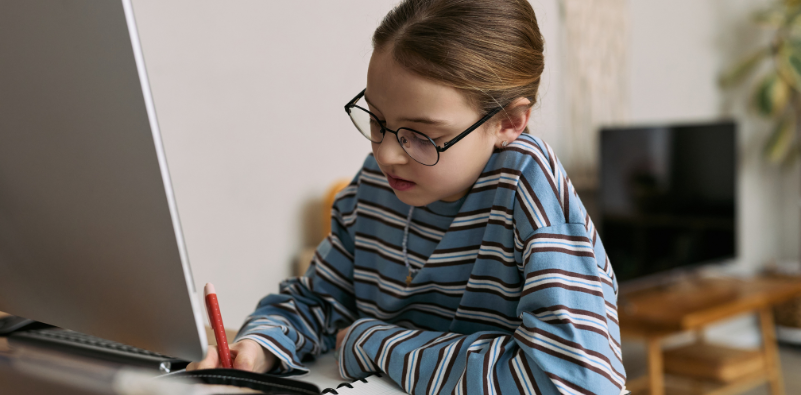
Myopia in children is becoming increasingly common worldwide. The American Academy of Ophthalmology notes that myopia is a growing public health concern, with research suggesting its prevalence will continue to rise over the coming decades.
Myopia develops when the eye grows too long, causing light to focus in front of the retina instead of directly on it. As a result, nearby objects remain clear while distant objects appear blurry.
Although these numbers may seem concerning, they reinforce the importance of early detection and regular eye care rather than causing alarm.
There is no single cause of childhood myopia, but experts agree that lifestyle changes are playing a major role alongside genetics.
More Close-Up Work
Children today spend far more time focusing on nearby objects than previous generations. Schoolwork, homework, reading, smartphones, tablets and computers all require prolonged close-up focus.
Close work is a normal part of learning, but spending long periods without breaks may place extra demands on developing eyes.
Less Time Outdoors
At the same time, children are spending less time outside. Natural daylight is believed to support healthy eye development, while outdoor activities encourage the eyes to constantly adjust to different viewing distances.
Many eye care professionals recommend aiming for around two hours of outdoor time each day whenever possible. Whether it’s playing sports, riding bikes or spending time at the park, being outdoors benefits both vision and overall health.
Genetics Still Matter
Children with one nearsighted parent are more likely to develop myopia, and the risk increases further if both parents are nearsighted. However, genetics alone cannot explain the rapid increase seen over recent decades, making lifestyle an important part of the conversation.
Is Nearsightedness More Than Just Needing Glasses?
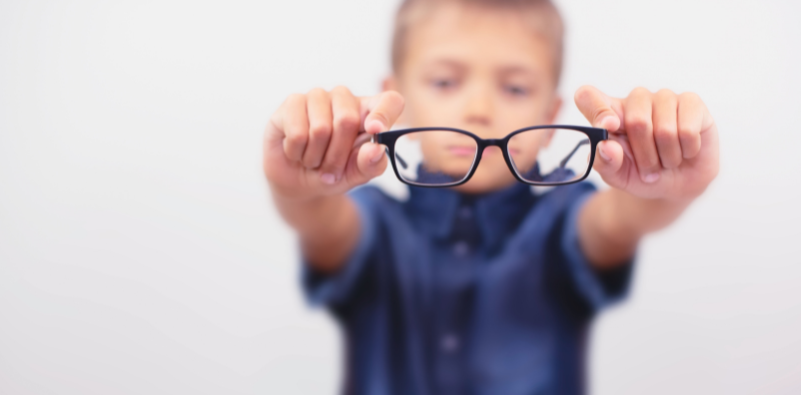
Many parents think myopia simply means their child needs glasses to correct blurry distance vision. While glasses improve sight, they do not necessarily stop the eye from continuing to grow longer.
As myopia progresses, the stretched shape of the eye increases the lifetime risk of several eye diseases, including:
- Retinal detachment
- Glaucoma
- Cataracts
- Myopic macular degeneration
The earlier childhood myopia begins, the more time it has to progress. This is why regular monitoring is so important. Early intervention can help reduce progression and support healthier vision throughout life.
What Can Help Slow Myopia Progression?

The encouraging news is that several evidence-based approaches are now available to help slow the progression of childhood myopia.
Myopia Control Lenses
Specialized myopia management eyeglass lenses, including Essilor Stellest lenses, provide children with clear vision while also helping slow the progression of myopia. At first glance, they look much like standard eyeglass lenses, making them a familiar and comfortable option for many children.
The center of each lens corrects the child’s prescription so they can see clearly at a distance. Surrounding this area are tiny lenslets that create a carefully controlled optical signal in the child’s peripheral vision. This signal is designed to help slow the excessive eye growth associated with progressing myopia, while the child continues to see clearly during school, sports and other everyday activities.
Contact Lenses to Slow Myopia
For some children, Dr. Kvitle may recommend specialized soft multifocal contact lenses to help manage myopia. Unlike standard single-vision contact lenses, multifocal contact lenses contain multiple zones of optical power. These zones provide clear distance vision while creating a carefully controlled treatment signal in the child’s peripheral vision that may help slow the excessive eye growth associated with myopia progression.
Multifocal contact lenses for myopia management are typically worn during the day and removed before bedtime. Daily disposable options allow children to begin each day with a fresh pair, eliminating the need to clean or store the lenses.
Help Protect Your Child’s Vision
The rise in nearsightedness doesn’t have to determine your child’s future eye health. When childhood myopia is detected early and monitored carefully, there are effective ways to help slow its progression and support lifelong vision.
If you’ve noticed signs of blurry distance vision or your child is due for an eye exam, now is the perfect time to act. A comprehensive pediatric eye exam with Dr. Kvitle can identify changes early and help create a personalized management plan.
Book your child’s appointment today at Kvitle Eyecare Associates before the new school year begins and take a proactive step toward protecting their vision.