


If you are preparing for your first contact lens exam in Quincy, IL, it is completely normal for the appointment to feel a little unfamiliar. Contact lenses sit directly on the surface of your eyes, so finding the right lenses involves more than simply converting your eyeglass prescription.
At Kvitle Eyecare Associates, our goal is to find contact lenses that give you clear vision, feel comfortable and support your long-term eye health. Your appointment may include an eye-health evaluation, vision testing, measurements, a contact lens fitting, trial lenses and guidance on safely inserting, removing and caring for your lenses.
How Is a Contact Lens Exam Different From an Eye Exam?

A routine eye exam evaluates your vision, prescription and overall eye health. A contact lens exam includes additional measurements and assessments to determine which contact lens is suitable for your individual eyes.
Because a contact lens rests directly on the cornea, your optometrist needs to evaluate how a particular lens fits and behaves on your eye. Your contact lens prescription can also differ from your eyeglass prescription.
At Kvitle Eyecare Associates, our comprehensive eye exams include an eye-health evaluation and vision testing. Our contact lens examination adds a corneal health assessment to help determine an appropriate lens based on your visual needs and lifestyle.
What Should You Bring to Your Contact Lens Exam?
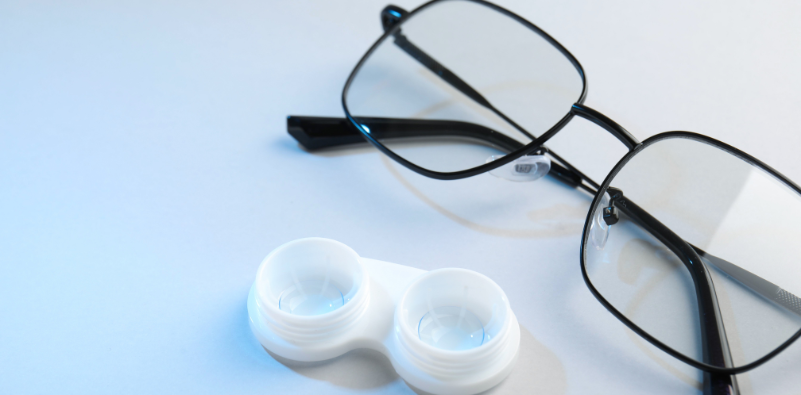
Bring your current eyeglasses, previous vision or contact lens prescription if you have one, insurance information and a current list of medications.
Tell us about allergies, dry or irritated eyes and any previous eye conditions or difficulties wearing contact lenses. We also want to know how your eyes need to work during a normal day. That might include long hours using computers, sports, school, driving or working in air-conditioned environments.
These details can influence the type of contact lenses in Quincy that may suit you best.
What Happens During a Contact Lens Exam?
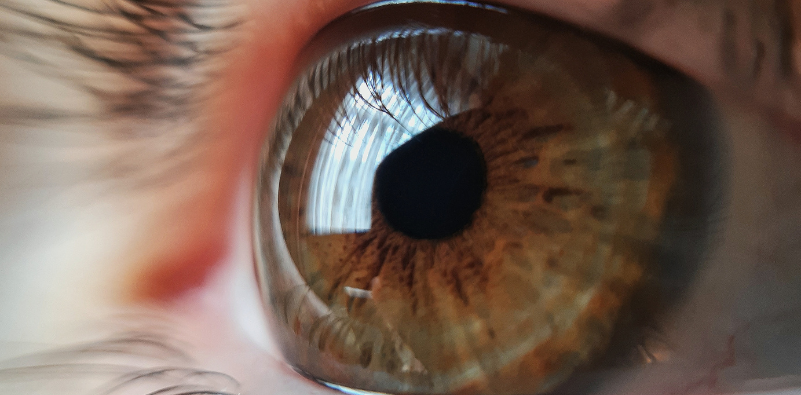
Reviewing Your Vision and Eye Health
We start by reviewing your medical and eye-health history before assessing your vision and prescription.
Your optometrist may also evaluate the front surface of your eyes and your tear film. Dryness, irritation and other ocular-surface concerns can affect how comfortable a contact lens feels, so these factors should be considered before selecting a lens.
Taking Measurements for the Correct Fit
Contact lenses are not one-size-fits-all.
Measurements of your cornea help us select an appropriate lens design, including its curvature and diameter. During a contact lens fitting, we also assess how the lens centers on the eye and how it moves when you blink.
These details matter because an appropriate fit helps support clear, comfortable and healthy contact lens wear. Two lenses with similar measurements do not necessarily fit every eye in the same way, which is why professional evaluation is important.
Choosing an Appropriate Contact Lens
The best lens depends on your prescription, eye health, corneal shape, tear film, lifestyle, planned wearing schedule and comfort needs.
For some patients, daily contact lenses offer the convenience of a fresh pair each day. Others may be suited to reusable lenses or silicone hydrogel materials. People with astigmatism may require toric lenses, while multifocal contact lenses can help address both near and distance vision needs.
Kvitle Eyecare Associates offers daily disposable, two-week and monthly lenses, toric lenses, multifocal lenses and gas-permeable options. Specialist lenses are also available for needs such as keratoconus.
There is no single “best” contact lens for everyone. The right choice should follow a professional assessment of your individual eyes.
Trying the Contact Lenses

Trial lenses may be placed on your eyes so we can check your vision, comfort and the way each lens positions and moves.
Do not be discouraged if the first lens is not the final one. Sometimes another prescription, material, size, or design provides a better result. Fine-tuning is a normal part of the fitting process.
Learning Insertion, Removal and Care
If you are a first-time contact lens wearer, learning how to handle your lenses safely is an important part of your appointment.
Our team can show you how to insert and remove your lenses, and you will have an opportunity to practice. We will also explain handwashing, cleaning and storage when applicable, and how often your particular lenses should be replaced.
The CDC recommends washing and drying your hands before touching contact lenses, using fresh contact lens solution as directed and keeping lenses away from water.
What Happens After the Initial Fitting?
A follow-up appointment allows your optometrist to see how your lenses perform after you have worn them during everyday activities.
We can reassess your vision, comfort and lens positioning and make adjustments if necessary. Your final contact lens prescription may be confirmed once we are satisfied that the lenses provide an appropriate fit.
Kvitle Eyecare Associates states that its initial contact lens consultation takes approximately one hour and that its corneal health evaluation includes three follow-up visits to help achieve an appropriate fit and comfort.
Contact us promptly if you develop eye pain, redness, persistent discomfort or changes in vision while wearing your lenses.
Tips for First-Time Contact Lens Wearers
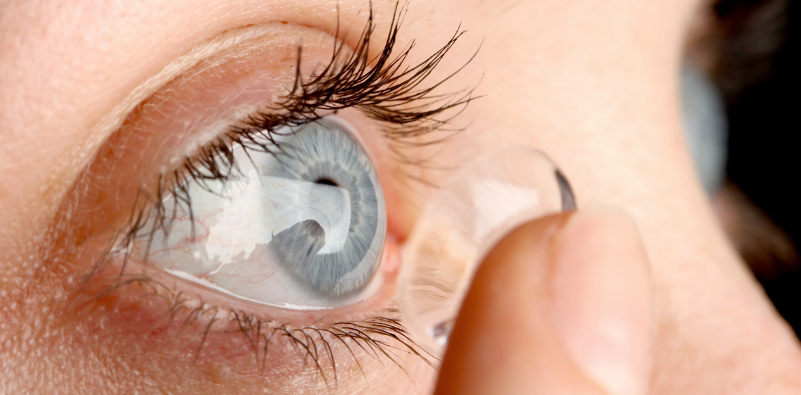
Follow the wearing and replacement schedule provided by your optometrist, even if your lenses still seem comfortable. Keep an up-to-date pair of eyeglasses available for times when you need to remove your contacts, and attend your recommended follow-up appointments.
Never rinse or store contact lenses in tap water. Remove them before swimming or showering because water can expose the eyes to microorganisms that may cause serious infection. You should also avoid sleeping in your lenses unless your eye care professional has specifically advised that your prescribed lenses may be worn overnight.
Frequently Asked Questions
How long does a contact lens exam take?
Our initial contact lens consultation typically takes approximately one hour. The exact time can vary according to your prescription, eye health and fitting needs.
Will I receive trial lenses on the same day?
Trial lenses may be provided when a suitable lens is available for your prescription and fitting needs. Some prescriptions or specialist lenses may require additional steps or ordering.
What if the first lenses feel uncomfortable?
Tell us. Contact lenses should be assessed for comfort as well as vision and fit. A different material, design, curvature or prescription may work better, and follow-up appointments give us an opportunity to make those adjustments.
Start Your Contact Lens Journey in Quincy
A professional fitting can make becoming a contact lens wearer easier, more comfortable and safer. The right lens depends on your eyes, prescription and daily routine, so personalized care matters from the first fitting through follow-up.
If you are considering contact lenses for yourself or your teenager, contact Kvitle Eyecare Associates in Quincy to arrange personalized contact lens care with our team.