

It’s mid-afternoon on a warm June day in Quincy, and your eyes feel tired, gritty, maybe even watery. You’ve been blinking more than usual, and that scratchy sensation just won’t go away. Most people brush it off as tiredness or seasonal allergies. But what is dry eye, and could those uncomfortable symptoms be telling you something more important about your eye health?
Summer conditions can significantly worsen dry eyes, and many Quincy residents are experiencing symptoms without realizing the underlying cause. In this guide, we’ll walk you through everything you need to know about dry eye syndrome, why summer can be particularly challenging, how to recognize the signs of dry eye, and what you can do to find real relief.
What Is Dry Eye?
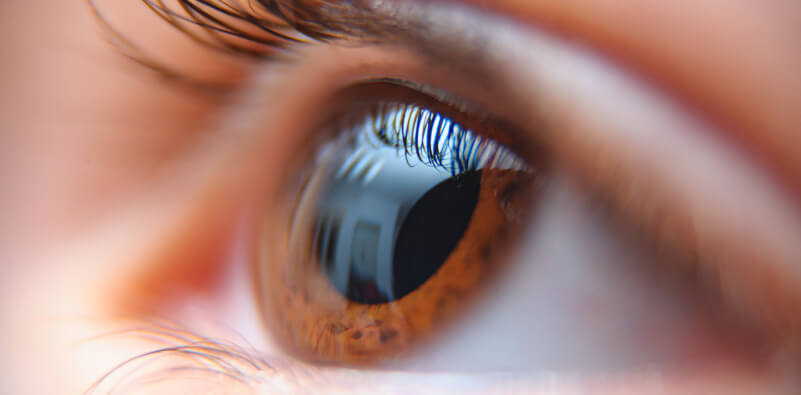
Dry eye occurs when your eyes aren’t producing enough tears, or when the tears you do produce evaporate too quickly. Your tears are essential for maintaining eye comfort, protecting against infection, and ensuring clear vision. When that delicate tear film breaks down, you experience discomfort and potential impacts on your eye health.
Your tears consist of three distinct layers working in harmony. The innermost mucus layer helps tears adhere to your eye surface. The middle aqueous (watery) layer provides essential moisture and nutrients. The outermost lipid (oil) layer acts as a protective seal, preventing the watery layer from evaporating too quickly.
Dry eye syndrome develops when any layer becomes compromised. You might have aqueous-deficient dry eye, where lacrimal glands don’t produce enough tears, or evaporative dry eye, where meibomian glands become blocked, causing rapid tear evaporation. Many patients experience a combination of both types.
Recognizing the Signs of Dry Eye

Dry eye often goes undiagnosed because people don’t recognize the symptoms. Here’s a comprehensive checklist of the most common signs of dry eye:
Gritty or scratchy feeling: A persistent sensation that something is in your eye, even when nothing is there. This grittiness often worsens throughout the day.
Eyes that water excessively: This seems counterintuitive, but watery eyes are a very common dry eye response.
Redness or irritation: Chronic dry eye frequently causes visible redness and persistent irritation that doesn’t improve with rest.
Blurred vision that clears when you blink: If your vision occasionally becomes blurry and then clears after blinking, your tear film isn’t maintaining stability between blinks.
Eyes that feel tired or heavy: Many people notice symptoms progressively worsen as the day advances, especially after computer work or time in air-conditioned environments.
Why Summer Makes Dry Eyes Worse in Quincy
Summer brings beautiful weather, but it also creates conditions that make dry eye relief a priority.
Air Conditioning and Fans
Air conditioning systems remove moisture from the air as they cool it, significantly reducing indoor humidity levels. This drier environment causes tears to evaporate more rapidly than your eyes can replace them. Whether in your car, office, or home, prolonged exposure to air-conditioned spaces can quickly worsen chronic dry eye symptoms. The problem intensifies when air vents blow directly toward your face.
Fans create similar challenges. Constant airflow increases tear evaporation rates, making it harder for eyes to maintain adequate lubrication.
Increased Temperatures and UV Exposure
Higher temperatures cause the aqueous layer of tears to evaporate more quickly. When combined with prolonged sun exposure, your eyes work overtime to maintain moisture. UV radiation adds another complication, contributing to ocular surface inflammation and compounding existing dry eye causes.
Open Windows and Air Circulation
Increased air circulation speeds up tear evaporation through convection. The combination of warm outdoor air mixing with indoor air conditioning creates fluctuating humidity levels that your eyes struggle to adjust to throughout the day.
Dehydration and Its Impact
Summer heat causes increased perspiration and fluid loss, leading to systemic dehydration. When your body becomes dehydrated, tear production often suffers, making dry eye syndrome symptoms more noticeable.
Finding Dry Eye Relief: What You Can Do

Dry eye is both common and highly manageable with appropriate intervention.
Simple changes make a substantial difference.
- Position yourself away from direct air vents and fans.
- Use a humidifier to add moisture to indoor air.
- Stay well-hydrated by drinking plenty of water.
- Use a warm compress for 5-10 minutes to help unblock the oil glands
- Take regular breaks from digital screens using the 20-20-20 rule: every 20 minutes, look at something 20 feet away for 20 seconds.
Artificial tears and lubricating eye drops provide immediate relief by supplementing your natural tears. Look for preservative-free formulations if you need drops more than four times daily.
Keep Your Eyes Comfortable All Summer Long

Don’t let uncomfortable eyes keep you from enjoying summer in Quincy. If you’ve been experiencing gritty, tired, or watery eyes—especially as temperatures rise—it’s time to find out if dry eye is to blame.
Ready to give your eyes some relief this summer? Schedule your comprehensive eye exam with Dr. Kvitle and get the thorough, personal care your eyes deserve. At Kvitle Eyecare Associates, we’re here to help you understand your symptoms, identify root causes, and find effective solutions.